
Is Full-Time RV Living Legal in Texas? What You Need to Know
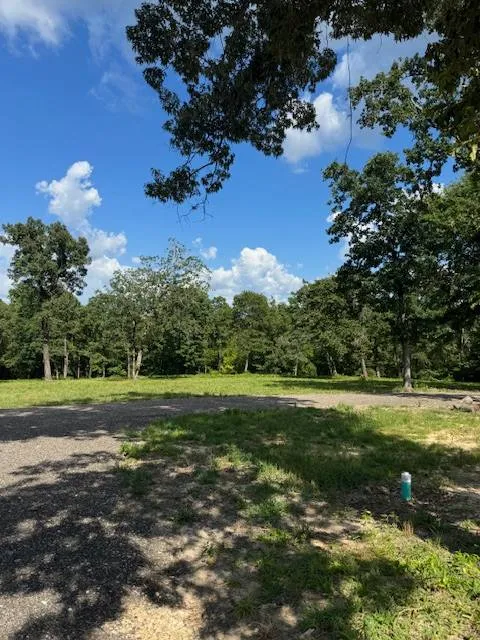
Yes — living in an RV full-time in Texas is generally legal, and Texas is one of the most RV-friendly states in the country. The catch is that it depends on where you do it. There’s no statewide law banning full-time RV living, but local city and county rules decide where an RV can be a permanent home. The simplest, cleanest route is to live in an established, properly zoned RV community. Here’s how it works.
This article is general information, not legal advice. Rules change and vary by location — always confirm with the specific city or county, and consult a professional for your situation.
Why so many full-timers choose Texas
Texas is a magnet for full-time RVers and “Winter Texans” for a few practical reasons:
- No state income tax. Texas is one of a small group of states with no personal income tax — a meaningful draw for retirees and remote workers.
- A built-in support system. The Escapees RV Club has been headquartered in Livingston, Texas for decades and offers mail-forwarding and domicile services designed specifically for nomads.
- Mild weather and lots of room. Especially in East Texas, winters are gentle and there’s plenty of space to spread out.
Establishing Texas as your domicile
If you want to make Texas your legal home base, the general steps look like this:
- Get a physical Texas street address. Full-timers usually use a mail-forwarding service, since a street address (not a P.O. box) is needed for licenses, registration, and insurance.
- Register your vehicles at the county tax office with proof of insurance.
- Get a Texas driver’s license in person at a DPS office, typically within about 90 days of establishing residency.
- Register to vote in the county where you reside.
Specific requirements (including vehicle-inspection rules) change from time to time, so check the current rules with the Texas DMV and DPS before you start.
The real question: local ordinances
Here’s the part that trips people up. Whether you can permanently occupy an RV isn’t really a state question — it’s a local one. City and county ordinances, zoning districts, and HOA rules decide whether an RV can be a temporary or permanent dwelling, and those rules vary a lot from place to place.
On private land, the answer differs between incorporated cities and unincorporated county areas, and zoning may limit how long an RV can be occupied. That’s why “Can I just park my RV on a piece of land and live in it?” doesn’t have a single answer — it depends entirely on where that land is.
The simplest legal path: an established RV community
This is the clean route. When you live in an established, properly zoned RV park or community, the zoning and infrastructure questions are already handled. Many communities — including Caney Trails — are set up specifically for long-term and full-time residents, with full hookups and a real address. You get the benefits of full-time RV living without the gray areas of putting an RV on raw land.
If that’s the lifestyle you’re after, a gated, long-term community on Lake Palestine is about as straightforward as it gets. Want to talk it through? Get in touch and we’ll answer your questions about long-term living on the lake.