
The Real Cost of Long-Term RV Living vs. Renting in East Texas
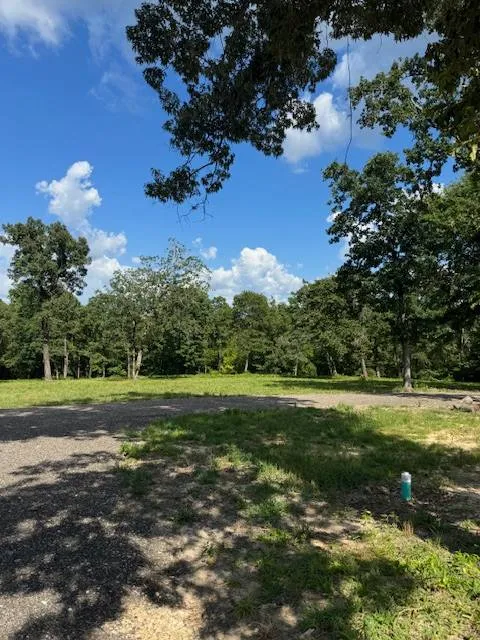
For many people, long-term RV living in East Texas costs less than renting a comparable apartment — but the honest answer is “it depends on what’s included.” The sticker price of a monthly RV site only tells part of the story. Here’s how to compare the real, all-in cost so you can decide with eyes open.
Compare total cost, not headline rate
The mistake people make is comparing a monthly site rate to an apartment’s rent. Instead, add up everything on both sides:
A long-term RV site typically involves:
- Monthly site rent
- Utilities — sometimes bundled, sometimes billed separately
- Internet — included at some parks, an add-on at others
- Your rig (which you likely already own)
A rental apartment typically involves:
- Monthly rent
- Electric, water, sewer, and trash
- Internet
- A security deposit and often the first/last month up front
- A 12-month lease you’re locked into
When you line them up honestly, the RV side often comes out ahead — especially when utilities and internet are bundled.
The “what’s included” question
This is the single biggest variable. A low headline site rate that tacks on water, sewer, trash, and Wi-Fi can quietly cost more than a higher all-inclusive rate. At Caney Trails, water, sewer, and high-speed internet are bundled into one monthly rate, with only electric metered separately — so the number you’re quoted is close to the number you actually pay.
When you compare parks, always ask: what’s in the monthly rate, and what’s billed on top?
The cost of electricity
Electric is usually the one variable you control. Most long-term parks meter it and bill by usage, so your bill rises in a Texas summer and drops in the mild winter. Budget for it, but know you’re only paying for what you use — and East Texas’s gentle winters keep heating costs low.
The costs that don’t show up on a spreadsheet
A few things are hard to price but real:
- Flexibility — no 12-month lease; many RVers value being able to move on their own timeline.
- Lifestyle — a gated community on a lake, with trails and fishing out the door, is a different daily experience than an apartment complex.
- Simplicity — downsizing into an RV means less space to heat, clean, and fill.
So, is it cheaper?
For people who already own their rig and want long-term stability, RV living in a bundled-rate community is frequently the more affordable — and more enjoyable — option. The best way to know for your situation is to get the all-in monthly number and compare it to local rents.
Want the real figures for the lake? Give us a call for current rates, and read more about what the lifestyle is like in our guide to long-term RV living on Lake Palestine.